Airing your bedroom well for better sleep
Opening the window seems silly, but it's vital. When, how and for how long to renew the air without cooling the walls?
Recommended Materials
- Window
- Timer
Steps to follow
Step 1
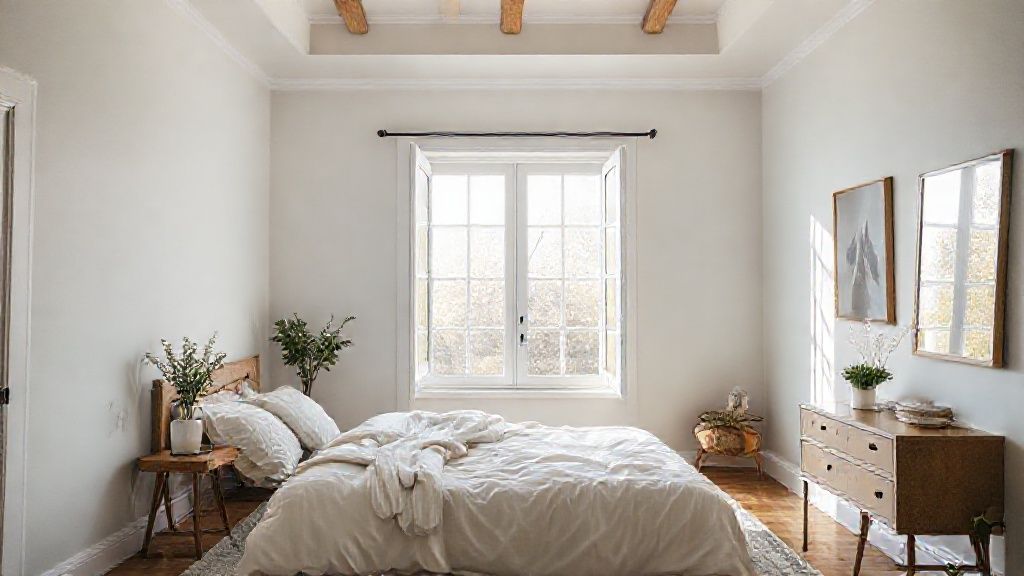
The golden rule: air out for 10 to 15 minutes a day, window wide open. It is enough to renew the entire volume of air in the room without cooling the walls.
Step 2
Why is it vital? We release a lot of humidity (perspiration, breathing) and CO2 while sleeping. Indoor air is 5 to 10 times more polluted than outdoor air. Confined air promotes the proliferation of dust mites, headaches and poor sleep.
Step 3
In winter: don't be afraid of the cold! Open wide for 10 min in the morning while you take your shower. Cold, dry air warms up much faster than humid, stale air. You will save on heating by purifying the air!
Step 4
In summer: air out early in the morning or late in the evening 'in the cool' to let in the freshness. Keep shutters and windows closed during the day to keep the temperature low.
Step 5
Make the bed AFTER airing out. Leave the bed open (duvet folded back at the foot of the bed) during airing so that the mattress and sheets evacuate the night's humidity. If you make the bed immediately upon waking, you trap dust mites in warmth and humidity, which they love.
Frequently Asked Questions
What if it rains or is foggy ?
Air out anyway. Outdoor air, even rainy, is often less charged with relative humidity and pollutants than the confined air of a bedroom after a night's sleep.
Is it good to sleep with the window open ?
It is excellent if outside noise and temperature allow it. A cool room (ideally 16-18°C) promotes falling asleep and restorative sleep.
Precautions
- Turn off the radiator while airing.
- Watch out for drafts that slam doors.