Measure indoor air quality with a connected sensor
Indoor air is 5 times more polluted than outside. CO2, Humidity, VOC... When should you ventilate?
Recommended Materials
- Air quality sensor (Netatmo, Airthings)
- Smartphone
Steps to follow
Step 1
Why measure? : Indoor air is often 5 to 8 times more polluted than outdoor air. We don't feel it, but CO2 accumulates (headaches, fatigue), as well as VOCs (glues, paints, household products). A connected sensor makes the invisible visible to you.
Step 2
CO2 (Carbon Dioxide): This is the containment indicator. It is measured in ppm (parts per million). Outside = 400 ppm. In ideal = < 800 ppm. At 1000 ppm, you need to ventilate. At 2000 ppm, you get a headache and you feel sleepy. The sensor sends you a notification: 'Open the window!'.
Step 3
Humidity (Hygrometry): Too dry (< 40%) = irritated mucous membranes, flying viruses. Too humid (> 60%) = mold, mites. The sensor helps you manage your VMC or humidifier.
Step 4
VOCs (Volatile Organic Compounds): These are the chemical pollutants released by your furniture, parquet floors, scented candles or cleaning products. If the rate rises, it means you need to stop using this product or ventilate thoroughly.
Step 5
Automation (The best): If you have a connected dual-flow VMC or an air purifier, the sensor can automatically trigger them when the air becomes bad. 'If CO2 > 1000, Then VMC Max speed'.
Step 6
Where to place the sensor? : In the main living room or in the bedroom (this is where we stay locked up for 8 hours and where the CO2 rises the most at night). Don't put it right next to a window or the kitchen.
Frequently Asked Questions
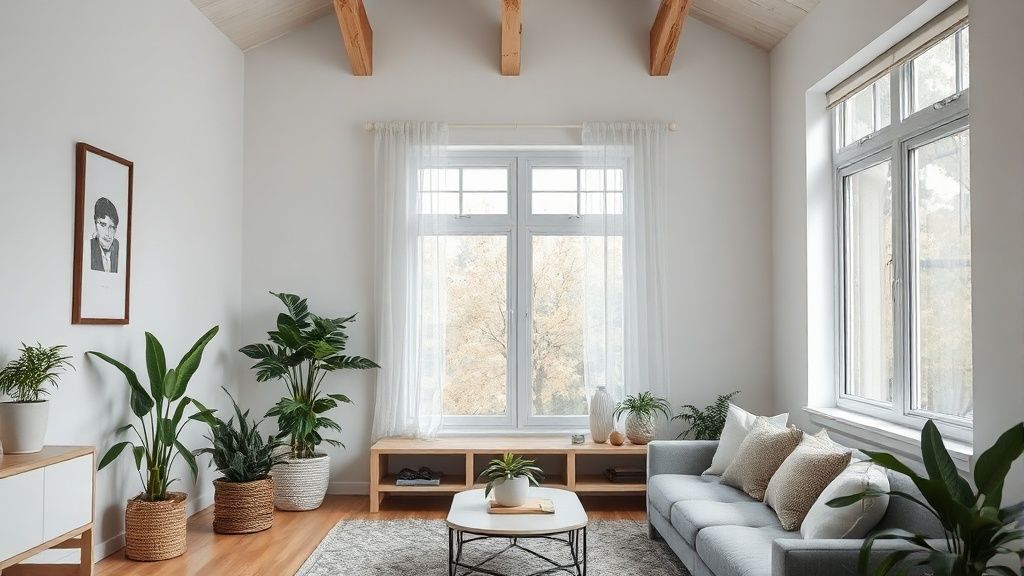
Depolluting plants ?
It's pretty, but scientifically ineffective in a real house volume. There should be a virgin forest in the living room. The only real solution is to open the window for 10 minutes morning and evening.
Precautions
- Do not confuse CO2 (breathing) and CO (Carbon monoxide, deadly).
- Calibrate the sensor from time to time (put it outside).