Choosing an economical auxiliary heater: oil bath or fan?
Are you cold in a room? Which mobile radiator consumes the least for the best comfort?
Recommended Materials
- Oil bath radiator
- Ceramic fan heater
Steps to follow
Step 1
The myth of efficiency: In electricity, 1 kWh consumed = 1 kWh of heat produced. A 30€ radiator heats as much as a 300€ radiator for the same consumption. What changes is the way the heat is distributed (comfort).
Step 2
The Fan Heater (Ceramic): It’s the little cube that makes the noise. Advantage: It heats up very quickly and strongly. Disadvantage: As soon as you turn it off, it gets cold. The noise is annoying. Use: Ideal for the bathroom in the morning (15 min) or for heating a small room very quickly.
Step 3
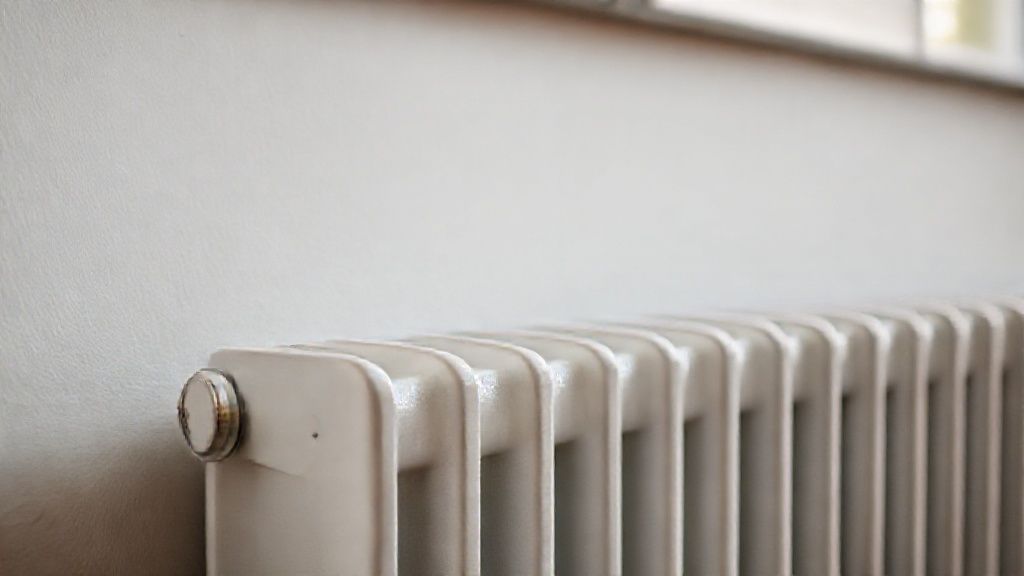
The Oil Bath (Inertia Radiator): This is the large radiator on wheels which looks like a cast iron radiator. Advantage: It takes time to heat up, but it continues to heat long after stopping (inertia). The heat is soft, radiant and silent. It doesn't dry out the air. Use: Ideal for a bedroom, office or living room for a long time (several hours). It's the most comfortable.
Step 4
The mobile convector (The 'Toaster'): It heats the air via a red resistance. Advantage: Cheap, light. Disadvantage: It burns dust (odor), dries the throat and creates unpleasant heat (hot head, cold feet). To avoid.
Step 5
The Oil/Gas Stove: Be careful! They release a lot of humidity and CO2 into the room. It is imperative to ventilate (which brings in the cold...). Oil is expensive. Reserve for garages or very ventilated rooms.
Step 6
Verdict: For comfort and real (felt) savings, choose the Oil Bath for the living rooms and the Ceramic Blower for the bathroom.
Precautions
- Never cover an auxiliary radiator (fire risk).
- Do not use an extension cord that is too thin (risk of overheating).