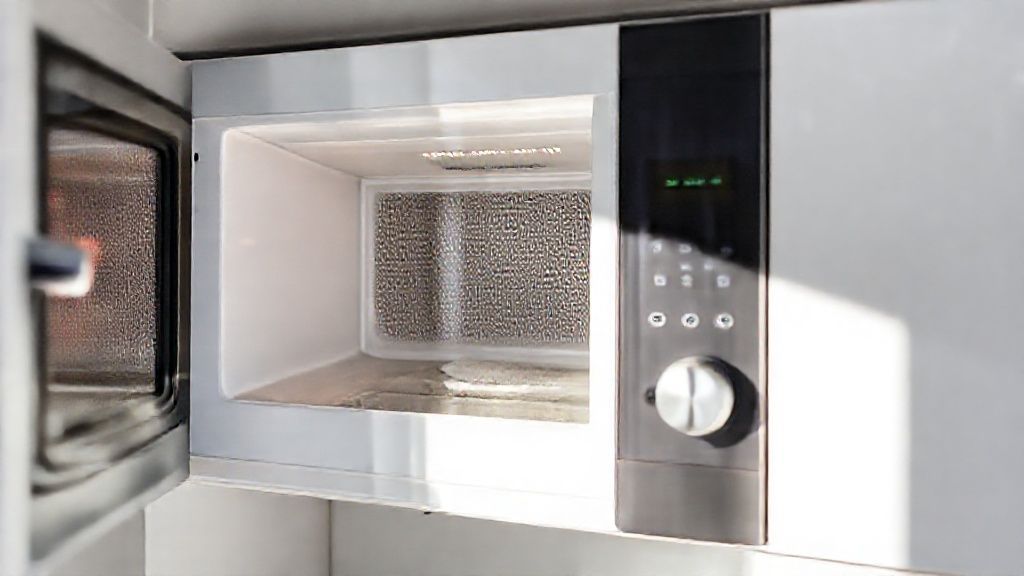
How to Clean a Very Greasy Oven Without Toxic Products
Restore a sparkling oven with this natural baking soda and vinegar method. No more burnt grease and toxic fumes.
Recommended Materials
- Baking soda
- White vinegar
- Water
- Spray bottle
- Plastic or silicone spatula
- Sponge
- Household gloves
Steps to follow
Step 1
Start by completely emptying your oven. Remove racks, drip pan, and any other accessories. These items will be cleaned separately in your sink or bathtub.
Step 2
Prepare a cleaning paste by mixing about half a cup of baking soda with a few tablespoons of water in a bowl. The consistency should be like a spread, easy to spread but not liquid.
Step 3
Put on your gloves and spread this paste on all interior surfaces of the oven (walls, bottom, back), insisting on very greasy or burnt areas. Carefully avoid heating elements and ventilation holes.
Step 4
Let the paste sit for at least 12 hours, or ideally overnight. The baking soda will slowly loosen cooked and carbonized grease without physical effort.
Step 5
The next day, use a damp cloth or plastic spatula to remove as much dried paste as possible. You will see the dirt coming with it.
Step 6
Pour white vinegar into a spray bottle and spray the remaining baking soda residues. An effervescent reaction will occur (it foams!), which will help loosen the last stubborn traces.
Step 7
Wipe a final damp sponge to rinse the entire interior of the oven well. Dry with a clean cloth. Put back the racks that you have previously scrubbed with hot soapy water and steel wool if necessary.
Frequently Asked Questions
Can baking soda scratch the oven enamel ?
No, baking soda is a very mild abrasive that does not scratch the enamel of modern ovens if used as a wet paste.
Can I use this method on a catalytic oven ?
Catalytic walls are self-cleaning and porous. Avoid applying pastes that could clog the pores. Clean only the bottom and the glass with this method.
Precautions
- Never apply product to heating elements.
- Wear gloves to protect skin from the basic mixture.
- Ventilate the room well if you use a lot of vinegar (strong smell).