Clean and Maintain an Antique Pitted Mirror
Antique mercury mirrors are fragile. Black spots (pitting) add charm but must be prevented from spreading.
Recommended Materials
- Meudon White (or Whiting)
- Soft cloth
- Rubbing alcohol
Steps to follow
Step 1
NEVER use modern glass spray or plenty of water on an antique mirror. Humidity is the mortal enemy of the backing (often mercury or silver based). If water seeps through the edges or cracks, the backing blackens.
Step 2
The gentle method: Prepare a paste with Meudon White (or Whiting) and a little water (or rubbing alcohol for faster drying).
Step 3
Spread this white paste over the entire surface of the mirror with a cloth. Let it dry for a few minutes until it forms a dry white crust.
Step 4
Rub with a soft, dry cloth (cotton or microfiber) to remove the powder and buff. This cleans, degreases, and polishes the glass gently without scratching.
Step 5
For fly specks: Use a cotton swab dipped in rubbing alcohol. Dab just the spot.
Step 6
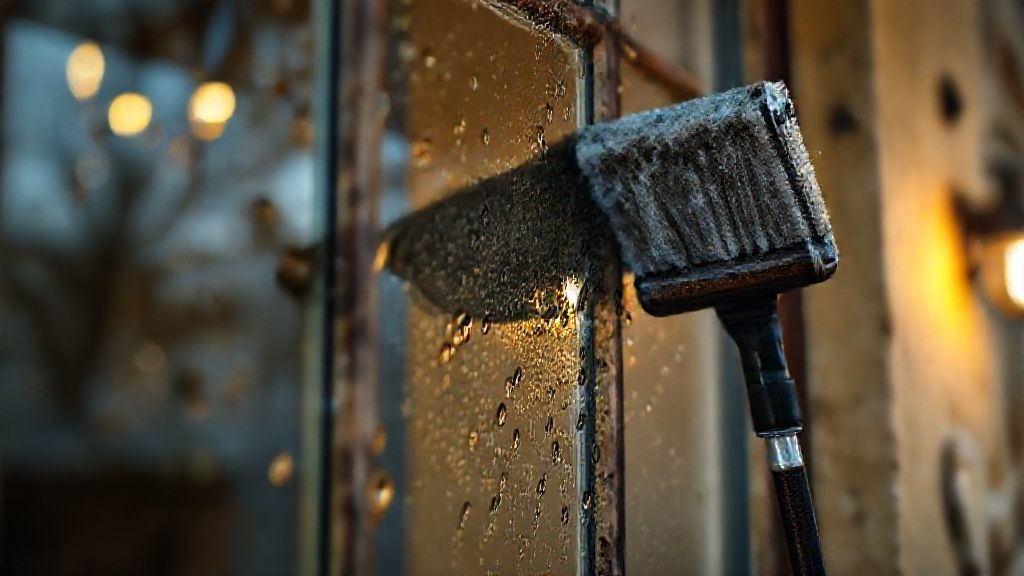
For the frame (often gilt wood or stucco): Dust with a soft brush. Never wet the gilding, it could peel off. If the gilding is dull, you can gently revive it with a very slightly damp cloth, but without rubbing.
Frequently Asked Questions
Can black spots (pitting) be repaired ?
No, the mercury has oxidized or detached from the glass. It is irreversible. You can have a mirror resilvered by a professional, but it is expensive and removes its charm and antique value.
How to protect it ?
Do not place it in a damp room (bathroom) or in direct sunlight (UV and heat damage the backing).
Precautions
- Handle with care (antique glass is thin).
- Mercury is toxic, do not scrape the back of the mirror.