Cleaning your oven: Pyrolysis, Catalysis or Elbow grease?
Is your oven smoking? It's time to clean it. Which method to choose?
Recommended Materials
- Baking soda
- White vinegar
- Water
- Sponge
Steps to follow
Step 1
Pyrolysis (The flamethrower): This is extreme cleaning. The oven rises to 500°C for 1h30 to 3h. All fats and sugars are charred and turned into white ashes. BEFORE starting: absolutely remove the grills, the drip pan and the telescopic rails (otherwise they will turn blue, deform and no longer slide). AFTER: use a damp sponge to pick up the ashes. Disadvantage: it consumes a lot of electricity and it smells burnt (ventilate!).
Step 2
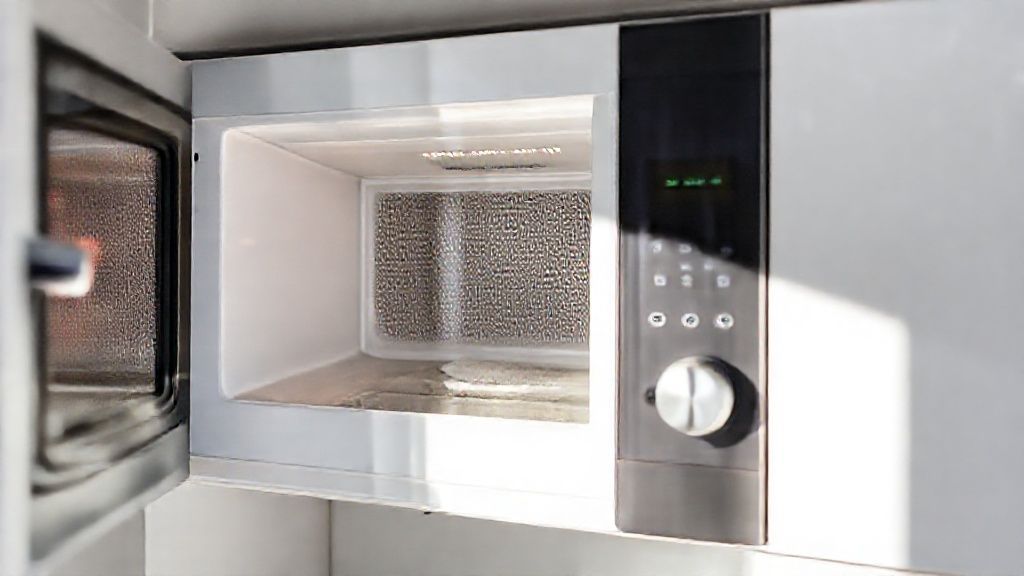
Catalysis (Continuous cleaning): The walls of your oven are rough to the touch. These are special panels which absorb and destroy fats as soon as it is above 200°C (during cooking). CAUTION: never rub these walls with an abrasive sponge or paint remover, you will kill them. If they are saturated, the panels must be changed.
Step 3
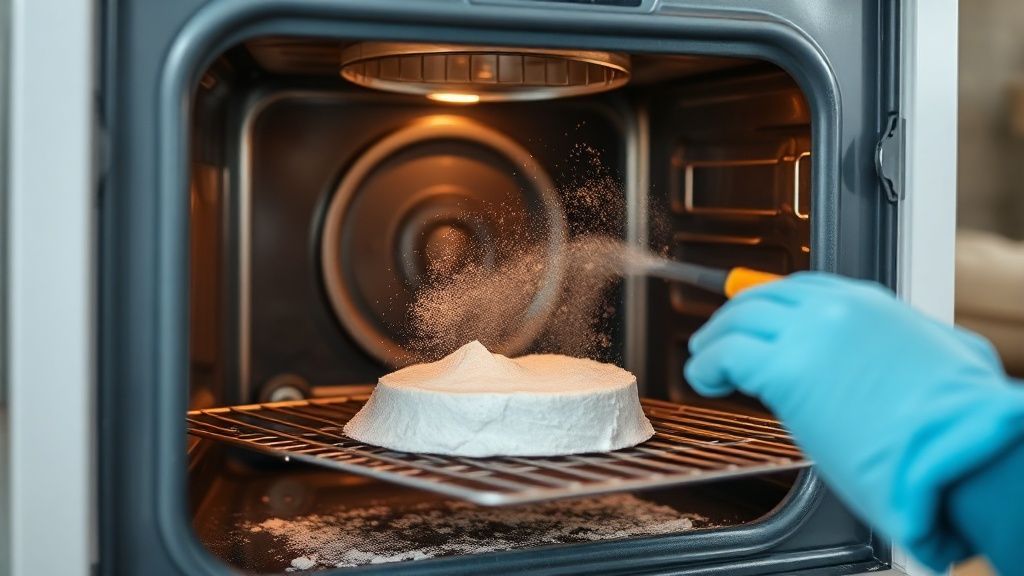
Manual cleaning (Ecological and inexpensive): For ovens without pyrolysis or for intermediate cleaning. 1. Make a paste with Baking Soda and a little water. 2. Spread this paste on the cold walls and the window (avoid resistance). 3. Leave to act overnight (or at least 1 hour). 4. Spray White Vinegar on top (it will foam, this is normal). 5. Rub with a sponge and rinse.
Step 4
The window (The black spot): For burnt brown spots on the window that resist everything, use a glass-ceramic scraper (razor blade). It takes everything off without scratching the glass. Finish with glass product.
Frequently Asked Questions
And the grid ?
Doesn't it fit in the sink? Put it in a large garbage bag, pour hot water and dishwashing liquid (or ammonia, but be careful of the vapors!), close the bag and leave to soak overnight outside. The next day, a splash of water and it's new.
Precautions
- Ventilate well during pyrolysis (fumes).
- Do not use caustic oven cleaner (soda) without gloves and glasses.