
Infallible Trick to Descale a Clogged Shower Head
Is your shower spray weak or going in all directions? Limescale is responsible. Here's how to dissolve it effortlessly.
Recommended Materials
- White vinegar
- Sturdy freezer bag or basin
- Strong rubber band
- Used toothbrush
- Needle or toothpick
Steps to follow
Step 1
If your shower head is fixed or difficult to dismantle, the bag method is ideal. Pour white vinegar into a watertight freezer bag (enough to immerse the head of the shower head).
Step 2
Secure the bag around the shower head with a strong rubber band, ensuring the nozzles (the small holes) are well immersed in the vinegar. If you can dismantle the shower head, simply soak it in a basin of vinegar.
Step 3
Let sit for several hours, ideally overnight. The acidity of the vinegar will dissolve the limescale clogging the water outlets.
Step 4
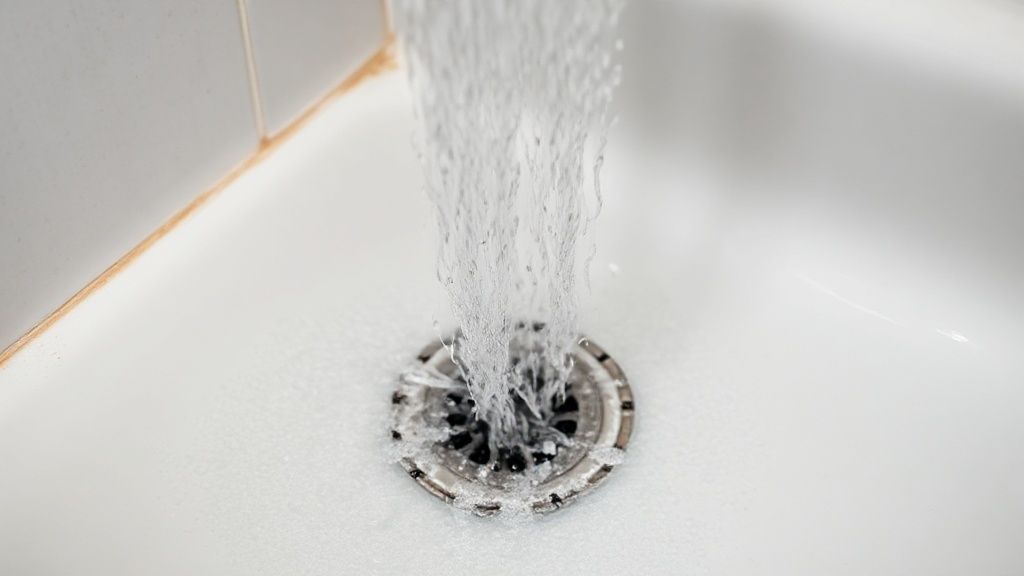
Remove the bag and pour the vinegar into the sink. Run hot water for a few moments to rinse the inside of the shower head and flush out limescale debris.
Step 5
Scrub the surface of the shower head with an old toothbrush to remove softened external deposits.
Step 6
If some holes are still clogged, use a needle or toothpick to mechanically unclog stubborn nozzles. The limescale should be crumbly and come off easily.
Step 7
Wipe with a soft cloth to shine the chrome. Your shower will regain its original pressure!
Frequently Asked Questions
Should I heat the vinegar ?
Hot vinegar acts faster, but room temperature vinegar is just as effective if left to act longer (overnight).
How often to descale ?
It depends on the hardness of your water. In hard water areas, descaling every 1 to 3 months is recommended to maintain good flow.
Precautions
- Watch out for special finishes (gold, brass) which can be attacked by acid if soaking is too long.
- Rinse well before taking a shower to avoid vinegar splashes in eyes.