Disinfect kitchen towels and sponges (nests for microbes)
The sponge is the dirtiest object in the house. It must be treated seriously.
Recommended Materials
- Washing machine
- White vinegar
- Microwave (for the sponge)
Steps to follow
Step 1
The scary finding: A study showed that a kitchen sponge contains more bacteria than a toilet bowl. It is humid, hot and full of food remains: a paradise for microbes (salmonella, E. coli).
Step 2
Rule #1: Tea towels. Never mix the cloth for wiping (dirty) hands and the cloth for wiping clean dishes. Change them every 2 or 3 days. Machine wash them at 60°C minimum (the 30°C or 40°C cycle does not kill bacteria).
Step 3
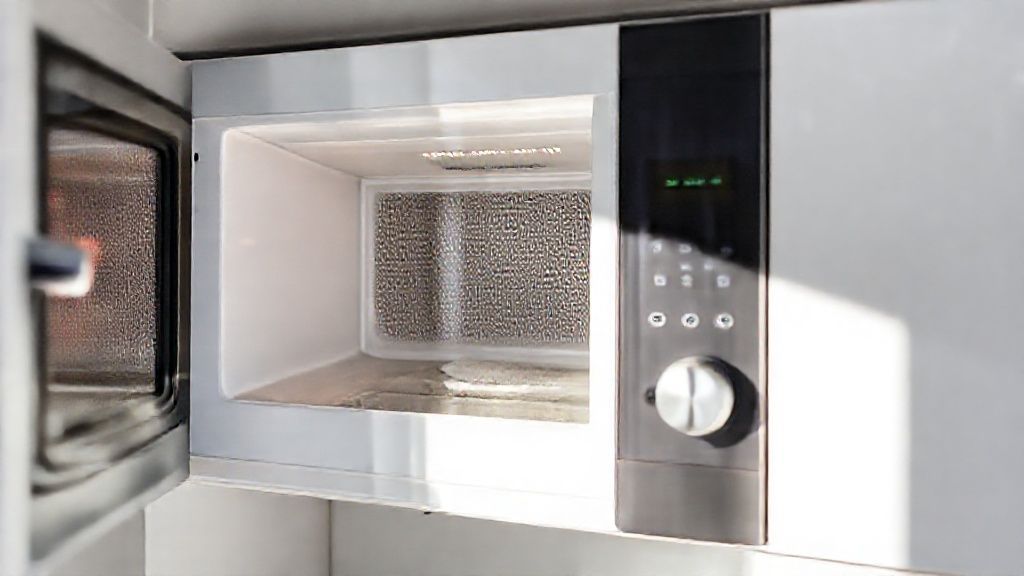
The sponge in the microwave (The radical method): This is the most scientifically effective method. Wet your sponge to saturation (it must be saturated with water, this is vital so that it does not burn). Microwave on high for 1 to 2 minutes. The water will boil inside and the steam will sterilize the sponge, killing 99.9% of germs. Be careful when taking it out, it’s hot!
Step 4
The sponge in the dishwasher: If you run a dishwasher, jam the sponge in the cutlery basket. The hot cycle will clean it thoroughly.
Step 5
The Vinegar Bath: If you don't have a microwave, soak the sponge overnight in a bowl filled with pure white vinegar. Rinse well the next day with clean water.
Step 6
When to throw away? : Even disinfected, a sponge wears out. Throw it away as soon as it starts to crumble or if it retains a bad smell after disinfection (a sign that the bacteria have won). Average lifespan: 2 weeks. Never keep a sponge that smells bad.
Precautions
- Never put a dry or metallic sponge in the microwave (fire!).
- Wring the sponge well after each use.