Economical Cooking: Tips to Reduce Consumption in the Kitchen
Cooking represents a significant part of the electricity bill. Lid, passive cooking, burner size... adopt the right habits of an economical chef.
Recommended Materials
- Lids adapted to pans
- Kettle
- Pressure cooker
Steps to follow
Step 1
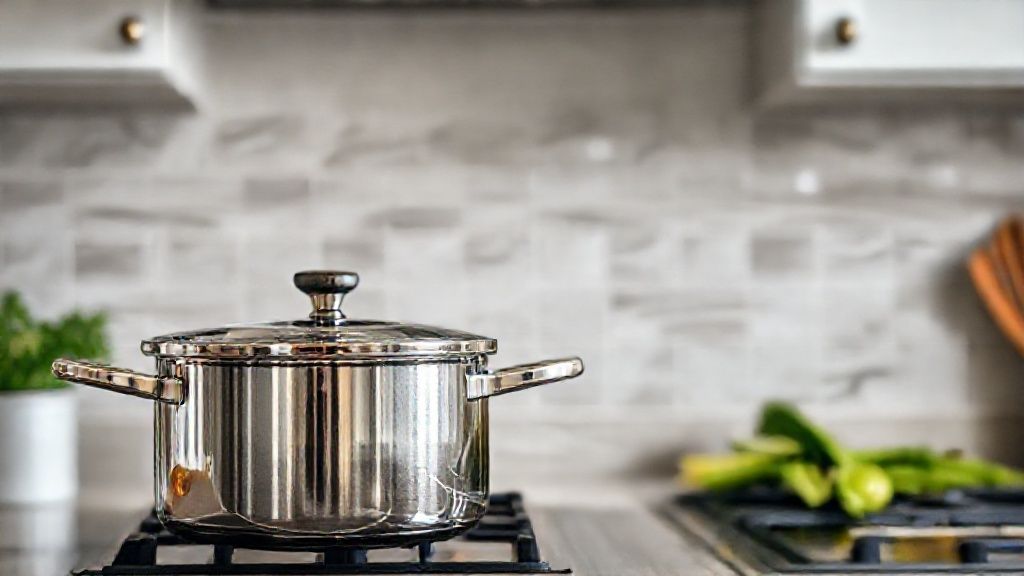
Gesture #1: put a lid on! Boiling water without a lid consumes 4 times more energy. The lid keeps heat and speeds up cooking.
Step 2
Use the right burner size. A small pan on a large gas burner or a large electric plate is pure waste: heat goes to the sides.
Step 3
Passive cooking: for pasta, rice or vegetables, bring water to a boil, immerse food, wait for boiling to resume, then TURN OFF the heat and put the lid on. Let cook for the indicated time (or even 1 or 2 min more). The water stays hot enough to cook without additional energy input.
Step 4
Use a kettle to preheat pasta water. The kettle is much more efficient (immersed element) than a pan on a plate to raise water temperature.
Step 5
The pressure cooker is the champion of savings: pressure cooking is 2 to 3 times faster, therefore 2 to 3 times less energy-consuming.
Step 6
Avoid opening the oven door to check cooking. Each opening loses 20% of accumulated heat.
Frequently Asked Questions
Is induction more economical ?
Yes, induction has an efficiency of 90% (very little loss), against 60% for ceramic and 50% for gas. It is the most energy-efficient cooking mode.
Should I thaw food before cooking ?
Yes, thaw them in the fridge the day before. Cooking frozen food requires much more energy to heat it up.
Precautions
- Watch out for overflows with the lid (lower heat as soon as boiling).
- Use pans with flat and thick bottoms for better conduction.