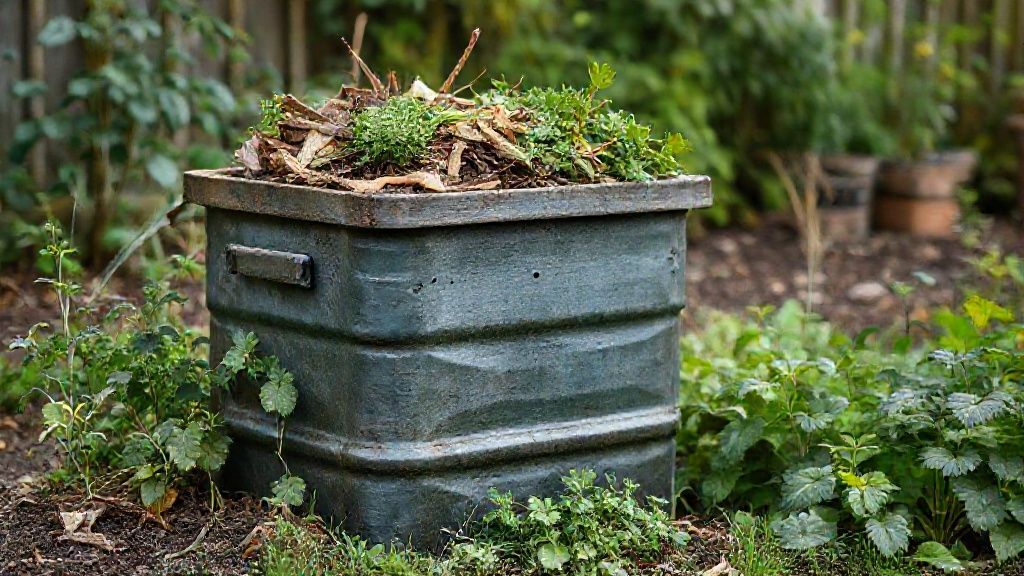
Succeeding with your compost: turning waste into black gold
Don't throw away your peelings anymore! Composting reduces your trash by 30% and feeds your plants for free. The golden rules to get started.
Recommended Materials
- Composter (or pile at the bottom of the garden)
- Bio-bucket (for the kitchen)
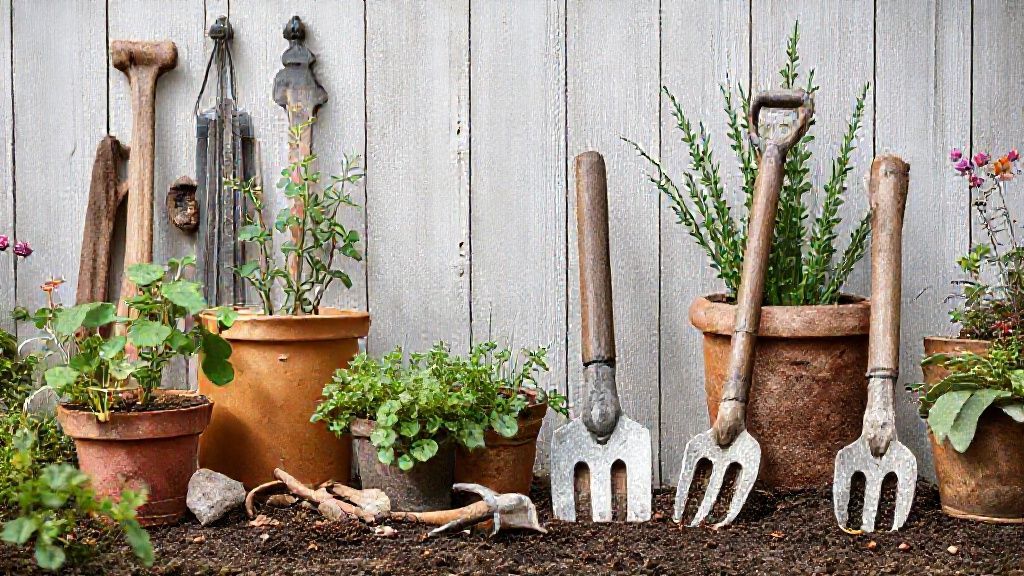
- Fork or aerator
- Green and brown waste
Steps to follow
Step 1
The Carbon/Nitrogen balance is key: you must mix about 50% 'green' waste (wet, nitrogenous: vegetable peelings, fresh grass clippings) and 50% 'brown' waste (dry, carbonaceous: dead leaves, brown cardboard, egg cartons, crushed branches, straw).
Step 2
Cut your waste into small pieces before throwing it away. The smaller it is, the faster microorganisms can attack and decompose it.
Step 3
Aerate! The aerobic bacteria that work need oxygen. Stir your compost with a fork or an aerator tool (spiral rod) once a month to prevent it from compacting and rotting (rotten egg smell = lack of air, anaerobic fermentation).
Step 4
Monitor humidity. The compost should be moist like a wrung-out sponge. If it is too dry (ants move in, nothing happens), water it. If it is too wet (it stinks, it leaks), add cardboard or dry leaves to absorb the excess.
Step 5
What you CAN put: fruit/vegetable peelings, coffee grounds (excellent activator), tea bags (without plastic staple), crushed eggshells, faded flowers, paper towels.
Step 6
What you MUST NOT put: meat, fish, cooked meal leftovers, dairy products (attract rats and flies), citrus fruits in large quantities (too acidic, slow down the process), cat litter (parasites), sick plants.
Frequently Asked Questions
How long does it take ?
Between 6 and 12 months to have mature compost (black, crumbly soil that smells good like the forest floor).
I have gnats, what to do ?
It is often an excess of sweet waste (fruit) on the surface. Always cover your fresh additions with a layer of dry matter (leaves, cardboard) to create a physical barrier.
Precautions
- Place the composter directly on the ground (so worms can come up).
- Avoid large pits (avocado, peach) which do not decompose.