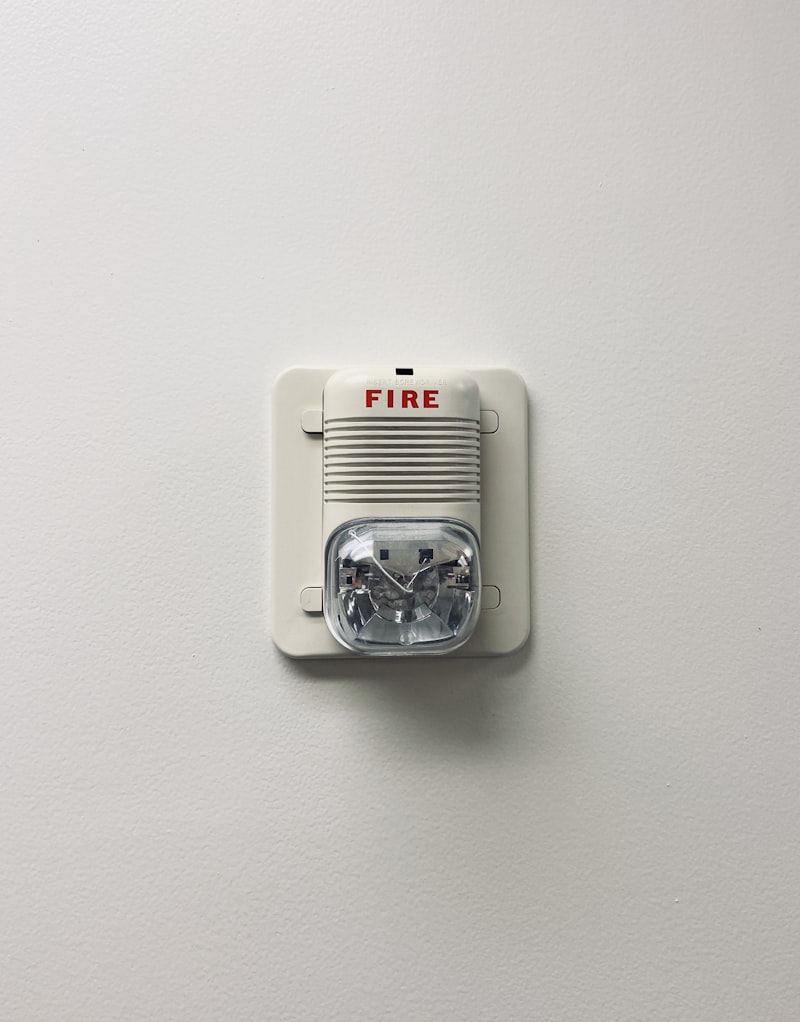
Installing and maintaining your smoke detectors (DAAF)
Mandatory and vital. Where to place it? When to change the batteries? How to know if it still works?
Recommended Materials
- Smoke detector (CE EN 14604 standard)
- Drill/Screwdriver (or strong adhesive)
- Stepladder
Steps to follow
Step 1
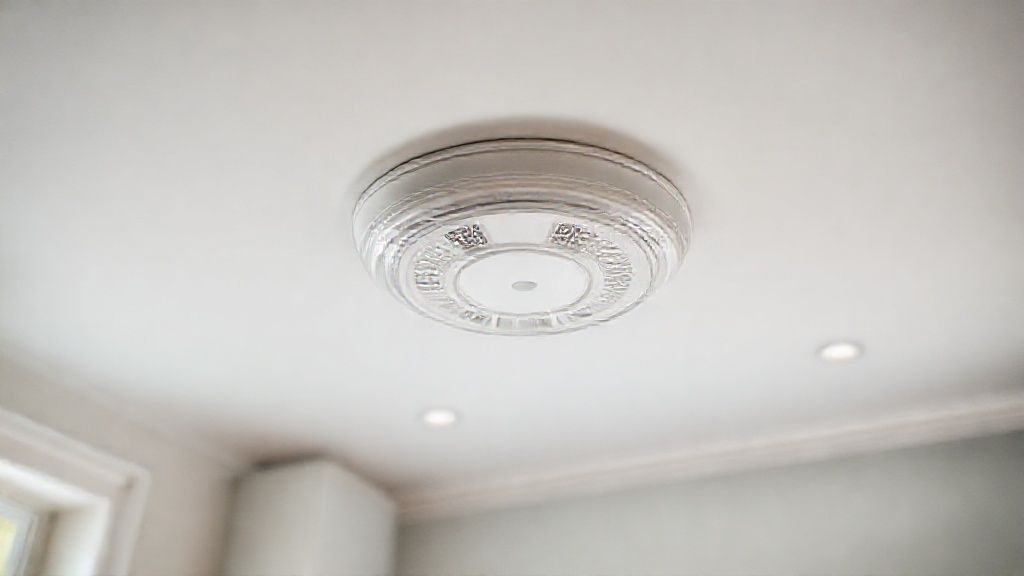
Where to install it? On the ceiling (smoke rises and accumulates at the top), in the center of the room or at least 30cm from the walls. The priority location is the hallway leading to the bedrooms (to wake you up at night if the fire starts in the living room).
Step 2
Where NOT to install it? In the kitchen (cooking steam = constant false alarm), the bathroom (humidity), the garage (exhaust fumes), or right next to a window or VMC (the draft pushes the smoke away and prevents detection).
Step 3
How many are needed? The law requires at least one detector per dwelling. But for real safety, install one per floor. The ideal is: 1 in each bedroom + 1 in the hallway + 1 in the living room.
Step 4
Installation: Screw the base to the ceiling with suitable plugs. Clip the detector onto it. If you don't want to drill, use magnetic adhesive fixing kits (very practical for changing batteries without tools).
Step 5
Maintenance: Vacuum it gently with the brush attachment of the vacuum cleaner once a year. Dust can clog the detection grid or trigger unwanted false alarms.
Step 6
Test: Press the 'Test' button once a month (with a broom handle). The beep must be loud and clear.
Step 7
Lifespan: Change the battery (often 9V) when it makes a short 'beep' every minute (low battery signal). Change the entire device every 10 years (the detection cell wears out and becomes less reliable). Look at the replacement date on the back.
Frequently Asked Questions
It rings for no reason at night ?
It is often dust, a small spider that got inside, or the battery reaching the end of its life (the cold of the night lowers the battery voltage).
Precautions
- Never paint a smoke detector.
- Check the expiration date on the back.