Managing grocery budget and weekly menus (Meal Prep)
Eat better, throw away less and save money. It's all in the planning.
Recommended Materials
- Menu planner (paper or app)
- Shopping list
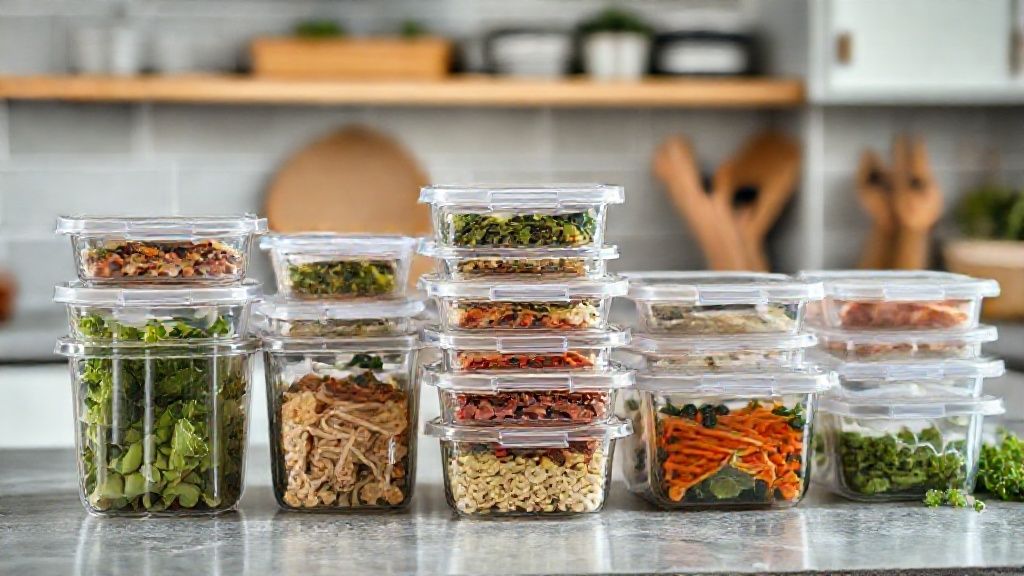
- Glass storage containers
Steps to follow
Step 1
Prior inventory: Before even thinking about what you are going to eat, open your fridge, freezer and cupboards. Note what is left. This is the absolute basis for not buying double and using what will expire.
Step 2
Menu planning: Establish the week's menus (at least dinners). Don't be too ambitious: always plan a 'leftovers' meal (Friday night) or a 'lazy' meal (omelet, pasta) for tired evenings. This avoids ordering a pizza out of spite.
Step 3
Strict shopping list: Make your list based ONLY on planned menus + basics (milk, butter). At the supermarket, stick to this list. Never go on an empty stomach (we buy 20% more when hungry).
Step 4
Batch Cooking: Spend 2 hours on Sunday preparing the basics for the week. Cook a large quantity of starches (rice, pasta), roast vegetables in the oven, prepare a vinaigrette, wash the salad. In the evening during the week, just assemble and reheat in 10 minutes. Huge time and mental energy savings.
Step 5
Smart savings: Buy raw products (whole carrots) rather than processed (grated carrots in a tray, 3x more expensive). Always look at the price per kilo, not the package price. Buy in season (strawberries in winter are expensive and tasteless).
Frequently Asked Questions
How to store prepared meals ?
In airtight glass containers (plastic stains and keeps odors). In the fridge, it lasts 3-4 days max. If you don't eat it before Wednesday, put it in the freezer right away.
I lack ideas ?
Create a list of your 10-15 'sure value' dishes that the whole family likes and that are quick. Alternate them. No need to innovate every day.
Precautions
- Respect the cold chain.
- Do not refreeze a thawed product.