Maintaining your gas boiler: obligations and simple actions
Annual maintenance is mandatory, but there are things you can do yourself to make it last.
Recommended Materials
- Cloth
- Maintenance contract
Steps to follow
Step 1
The legal obligation (The pro): Are you a tenant or owner-occupier? The law REQUIRES you to have your gas boiler serviced once a year by a qualified professional. It cleans the heating body, checks the safety devices and measures the carbon monoxide level. He will give you a maintenance certificate (to keep carefully for insurance in the event of fire or problem).
Step 2
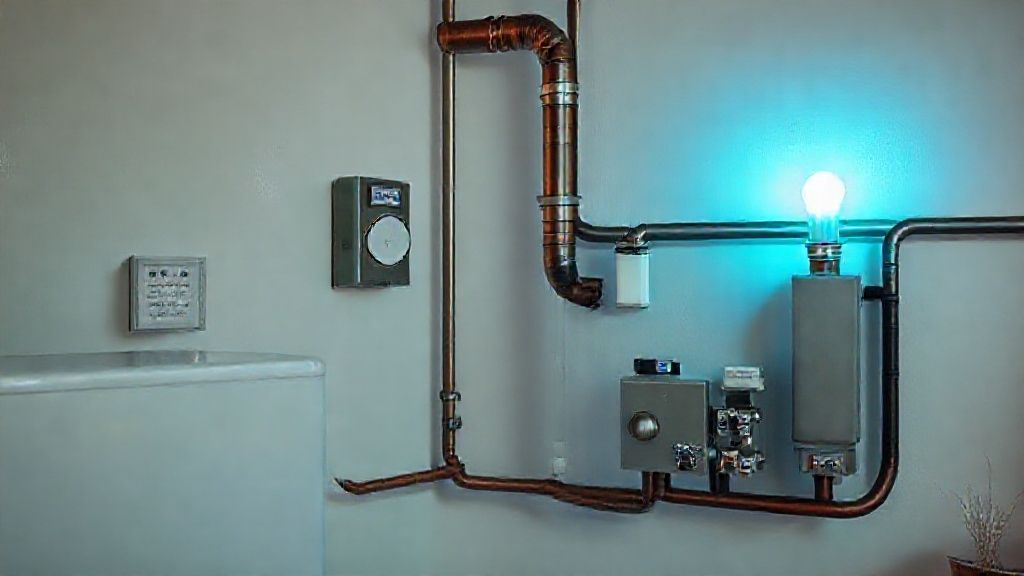
What you can do (Pressure): Look at the pressure gauge (the dial with a needle) on the front of the boiler. The needle should be in the green zone, generally between 1 and 1.5 bar. If it is below (red zone), slowly open the filling tap (often two small black or blue valves under the boiler) until the pressure increases. Then close tightly.
Step 3
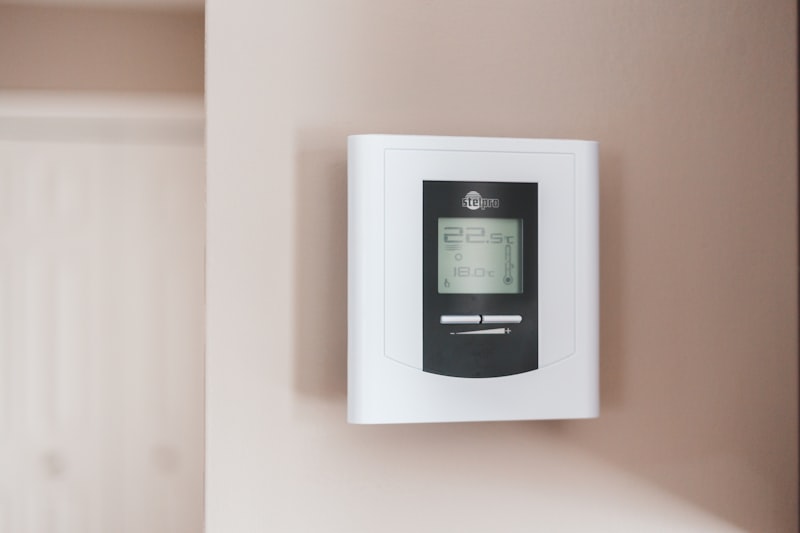
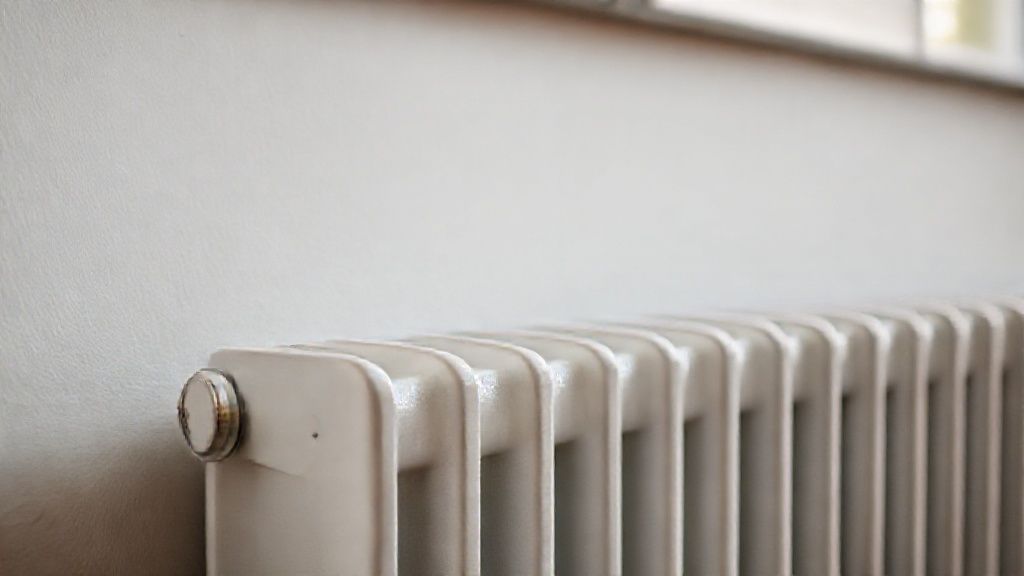
Heating water temperature: Do not overheat the water going into the radiators. For a well-insulated house with recent radiators, 50°C or 55°C is sufficient. For old cast iron radiators, 60°C or 65°C. The hotter the water, the more the boiler consumes. Try lowering it a little: if you're still warm in the house, you're done.
Step 4
Safety: If the boiler faults (red light), note the error code displayed (eg: F4, E01) before doing a 'Reset' or turning it off/on again. This code will help the troubleshooter know what is wrong.
Step 5
Vents: NEVER block the ventilation grilles in the room where the boiler is located (unless it is a sealed suction boiler). These vents are vital for combustion and to prevent carbon monoxide poisoning.
Frequently Asked Questions
Purge or refill ?
If you bleed the radiators (remove air), the pressure drops. It is therefore often necessary to add a little water after a purge.
Precautions
- Never block the vents in the room (fatal risk of CO).
- Install a carbon monoxide detector.