Understand and Optimize Your Heating Consumption for Winter
Heating accounts for the largest share of a household's energy expenses. Learn how to adjust your radiators, manage temperature room by room, and adopt the right habits to reduce the bill without sacrificing thermal comfort.
Recommended Materials
- Room thermometer
- Thermostatic valves
- Door draft stoppers
- Heat reflectors (for radiators)
Steps to follow
Step 1
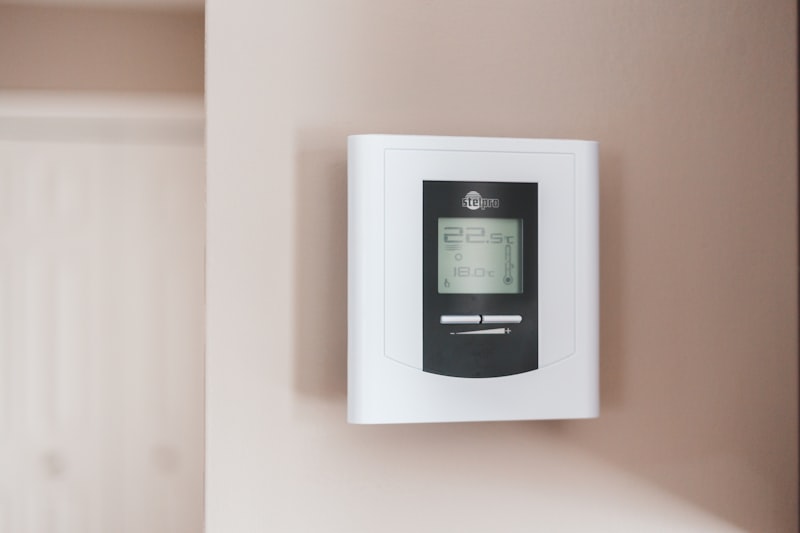
The first step to optimizing your heating is to define the right temperature for each room. It is useless and expensive to heat the entire home to 21°C. ADEME recommends 19°C in living rooms (living room, dining room), 17°C in bedrooms (for better sleep and preserved respiratory health), and 22°C in the bathroom only when in use. Know that lowering the set temperature by just 1°C saves about 7% on your annual bill.
Step 2
Install thermostatic valves on your water radiators if you don't have them. They allow you to regulate the flow of hot water in the radiator according to the ambient temperature of the room. It is a modest investment but quickly profitable which allows fine management of comfort room by room.
Step 3
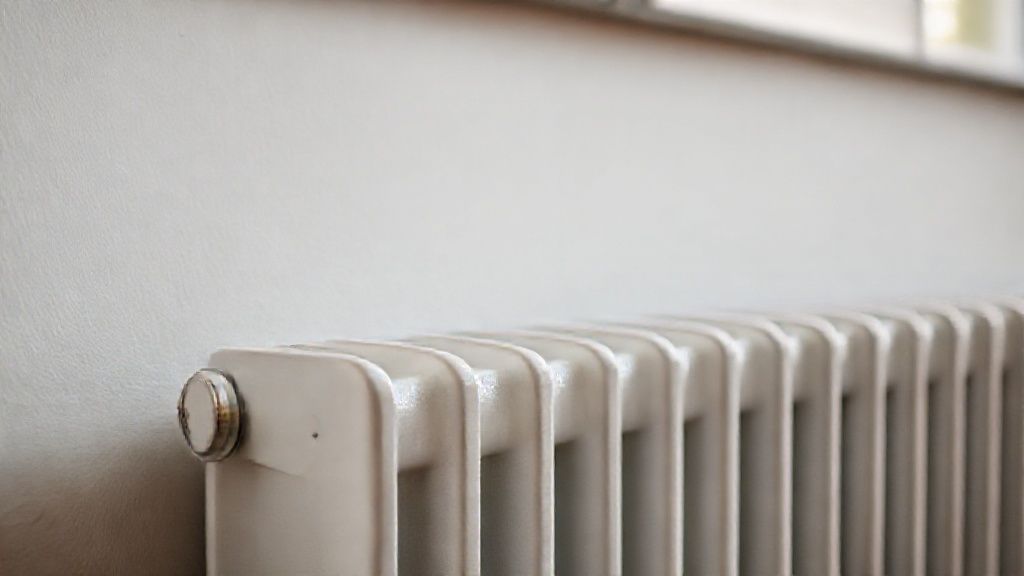
Never cover your radiators! Avoid massive radiator covers, long curtains falling in front, or drying laundry directly on them. These obstacles block the diffusion of heat by convection and radiation, forcing the boiler to consume more to reach the desired temperature.
Step 4
Place heat reflector panels (insulating aluminum sheets) behind your radiators, especially if they are fixed on walls facing the outside and poorly insulated. These sheets reflect heat back into the room instead of letting the cold wall absorb it unnecessarily.
Step 5
Close shutters and curtains as soon as night falls. This creates an additional insulating layer in front of the windows (often the weak point of insulation) and prevents heat from escaping. It is a simple, free, but extremely effective gesture to conserve accumulated calories.
Step 6
Ventilate your home intelligently: 5 to 10 minutes a day by opening windows wide is enough to renew the air without cooling the walls and furniture. Remember to turn off the heating during ventilation. Dry air heats up faster than humid and stale air.
Frequently Asked Questions
Should I turn off the heating at night or when away ?
In a well-insulated home, it is better to lower the temperature by 2 or 3 degrees (eco or night mode) rather than turning it off completely. Restarting in the morning would consume too much energy to climb back up the slope. In a thermal sieve, turning it off can be considered if the temperature does not drop too low.
Are electric inertia radiators more economical ?
In theory, 1kWh consumed always produces the same heat (Joule effect). But inertia radiators diffuse this heat better and longer, offering better perceived comfort (no sensation of cold between two cycles), which often allows lowering the thermostat a little without loss of comfort.
Precautions
- Never block ventilation grilles, even in winter (risk of carbon monoxide poisoning and mold).
- Have your boiler serviced once a year by a professional (legal obligation).