Radiator Maintenance: Bleeding and Effective Cleaning
A poorly maintained radiator heats less well and consumes more. Learn how to bleed air and desludge your radiators for maximum efficiency this winter.
Recommended Materials
- Bleed key (or flat screwdriver)
- Small container
- Cloth
- Radiator brush or duster
- Vacuum cleaner
Steps to follow
Step 1
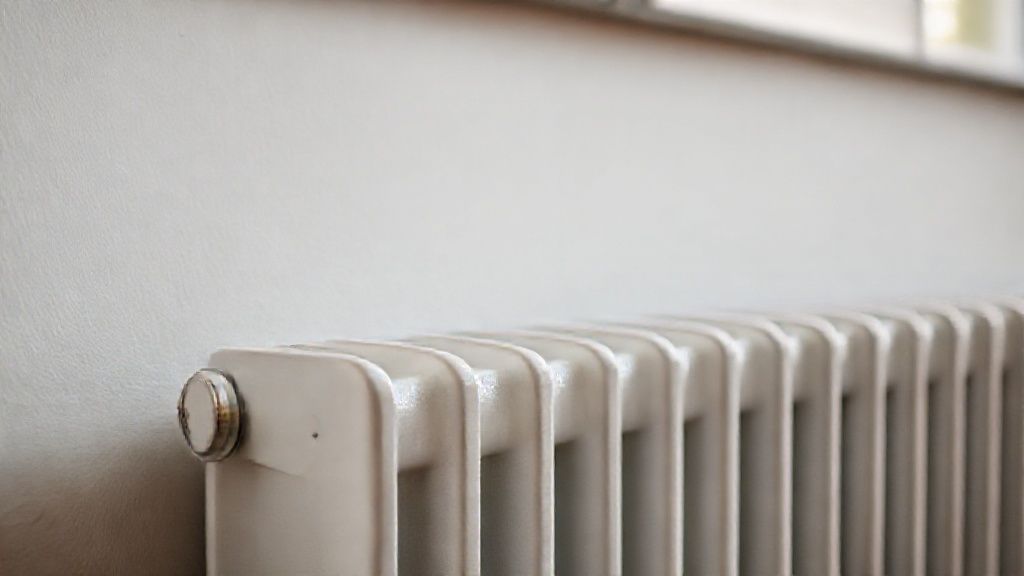
Exterior cleaning is the first often neglected step. Dust accumulated between radiator fins acts as an insulator, prevents heat from diffusing correctly by convection and can create unpleasant burning smells. Use a special radiator brush (long and thin) or an electrostatic duster to dislodge dust inside. Vacuum underneath to collect everything.
Step 2
Bleeding is essential for water radiators (central heating). If your radiator makes noise (gurgling, whistling) or if it is cold at the top and hot at the bottom, there is air trapped in the circuit. Air takes the place of hot water and prevents effective heating.
Step 3
To bleed: first turn off the boiler or put it in summer mode (so the circulator/pump stops). Wait for radiators to cool down to avoid burning yourself with boiling water and so that air rises well.
Step 4
Start with radiators located on the ground floor and finish with those upstairs (air rises naturally). Place a small container under the bleed screw (located on the side of the radiator, opposite the thermostatic valve).
Step 5
Gently unscrew the bleed screw with the square key or a flat screwdriver until you hear a hissing of air ('pschitt'). Let the air escape. As soon as water starts to flow in a continuous stream (without air bubbles), close the screw immediately. Do not tighten too hard to avoid breaking the screw.
Step 6
Once all radiators are bled, turn the boiler back on and imperatively check the circuit pressure on the boiler manometer. It has probably dropped because you removed air. Add water to the circuit via the filling tap (often two small valves under the boiler) to raise the pressure between 1 and 1.5 bar (or according to your device's manual).
Frequently Asked Questions
How often should I bleed ?
It is advisable to do it once a year, ideally at the beginning of the heating season (autumn), before turning the heating back on.
Should I bleed electric radiators ?
No, never! Electric radiators contain a heat transfer fluid (oil or glycol) in a factory-sealed closed circuit that requires no bleeding. If you open it, you break the radiator.
Precautions
- Watch out for water coming out during bleeding, it can be very hot and dirty (black).
- If you have to add water very often, there may be a leak in the circuit.