Wash and Remove Stains from a Moldy Shower Curtain
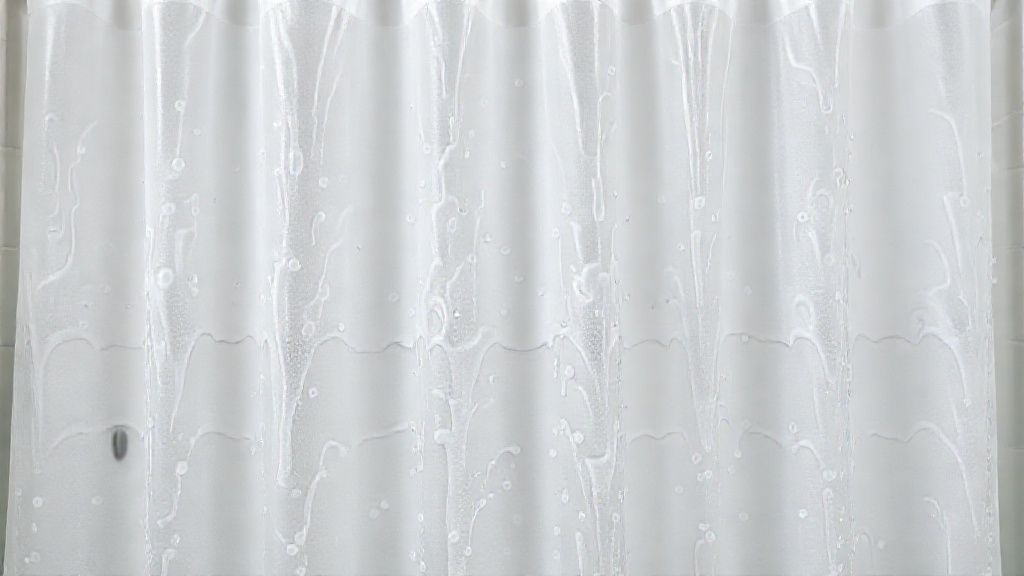
Is the bottom of the shower curtain turning orange or black? It's fungus. Don't throw it away, it washes very well.
Recommended Materials
- Washing machine
- White vinegar
- Baking soda
- 2 bath towels
Steps to follow
Step 1
Take down the shower curtain (whether it is PVC plastic, PEVA, or polyester fabric). Remove the rings if they are removable.
Step 2
Put it in the washing machine with two old bath towels. This is the key trick: the towels will mechanically rub against the curtain during the wash cycle and act like soft brushes to loosen dirt and biofilm.
Step 3
Add your usual detergent and half a cup of baking soda directly into the drum to deodorize and whiten.
Step 4
Pour white vinegar into the softener compartment. It will disinfect and eliminate limescale traces.
Step 5
Run a 'Synthetic' cycle at 40°C (or 30°C for very thin plastics). Do not spin too hard (400-600 rpm) to avoid creasing the plastic.
Step 6
Hang the wet curtain directly on its rod above the bathtub. It will dry in place without creasing.
Step 7
For stubborn mold stains (black spots): before washing, rub the stains with a paste made of water and baking soda, or soak the bottom of the curtain in a basin of vinegar water overnight.
Step 8
Cut the bottom: if the bottom of the curtain is really unsalvageable (black stains embedded in the plastic mass), simply cut off the last 5 centimeters with scissors. The curtain will be a little shorter but clean, and it won't show if it falls into the tub.
Frequently Asked Questions
Can the rings be washed ?
Yes, if they are plastic, put them in a laundry net or a knotted sock so they don't get lost in the drum.
How to prevent the curtain from sticking to the skin ?
It's a thermal effect (hot air rises and sucks in the curtain). Leave a little opening on the side for air to circulate, or choose a weighted fabric curtain (with a leaded hem at the bottom).
Precautions
- Do not put in the dryer (the plastic would melt).
- Check the max temperature on the label.